Eternal Gain, Eternal Pain. (Would You Still Love Me If I Was A Digital C. elegans)
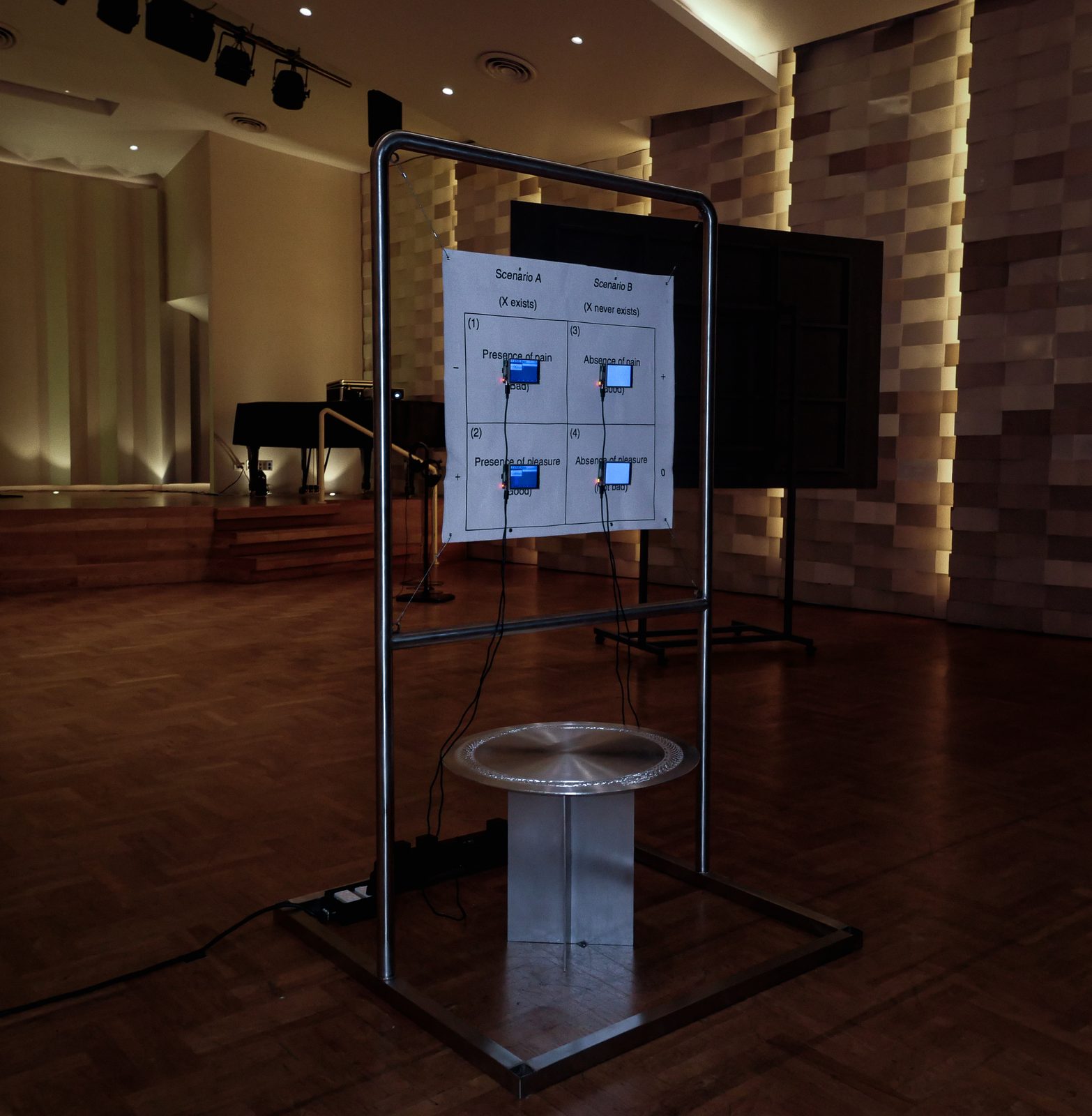
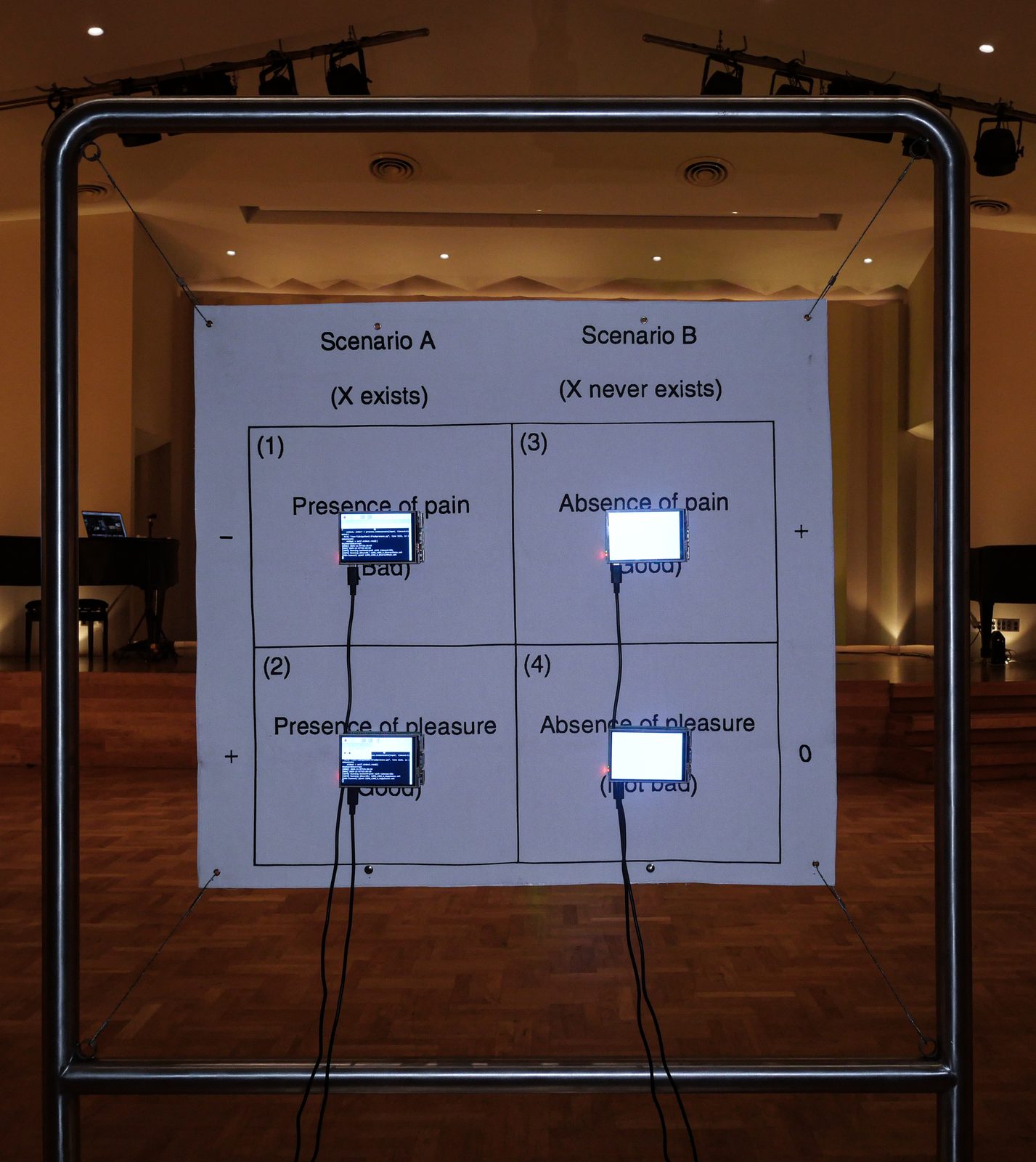
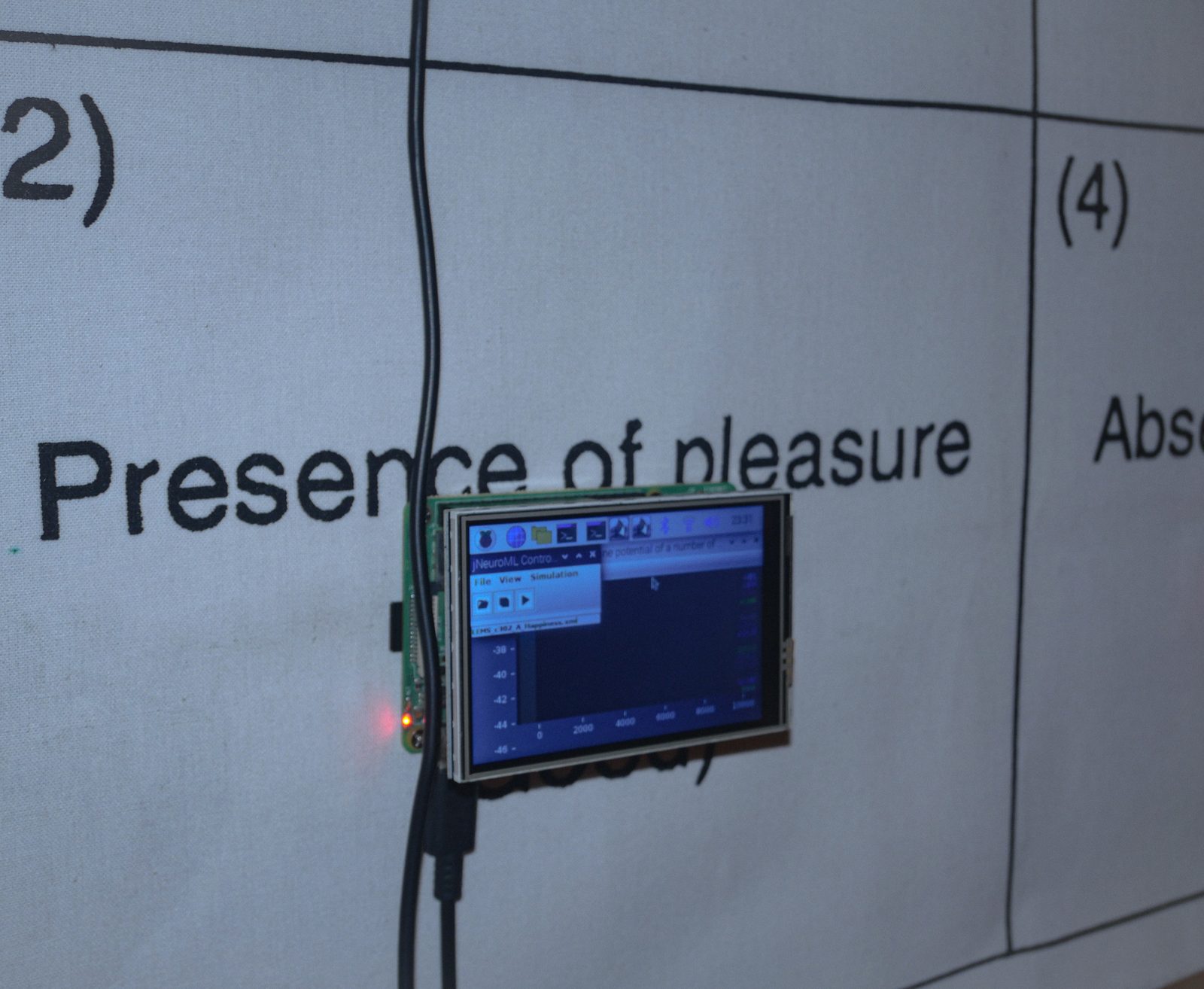
The simulations of four parallel worlds of the nematode Caenorhabditis elegans' neural pathway—an organism (roundworm) whose whole neural map data has been collected and simulated. They are displayed with each quadrant. Each quadrant presents a different condition based on the quadrant's description: induced pain, induced pleasure, or complete absence of the worm.
The installation also stands as a sculptural totem (coffee table or altar), a monument to the continuity of human civilization, questioning the inevitability of its persistence. It asks: Should we continue to reproduce and perpetuate our lineage, or accept extinction as the natural end of our cycle?
Eternal Gain, Eternal Pain is an ethical speculation on the morality of procreation and antinatalism, inspired by David Benatar's diagram of pain–pleasure asymmetry. I use the OpenWorm's c302 project to simulate Caenorhabditis elegans because it draws from real biological data, creating a near one-to-one mapping between the living organism and its digital counterpart. Both function through electricity — one organic, one computational — blurring the boundary between life and simulation.
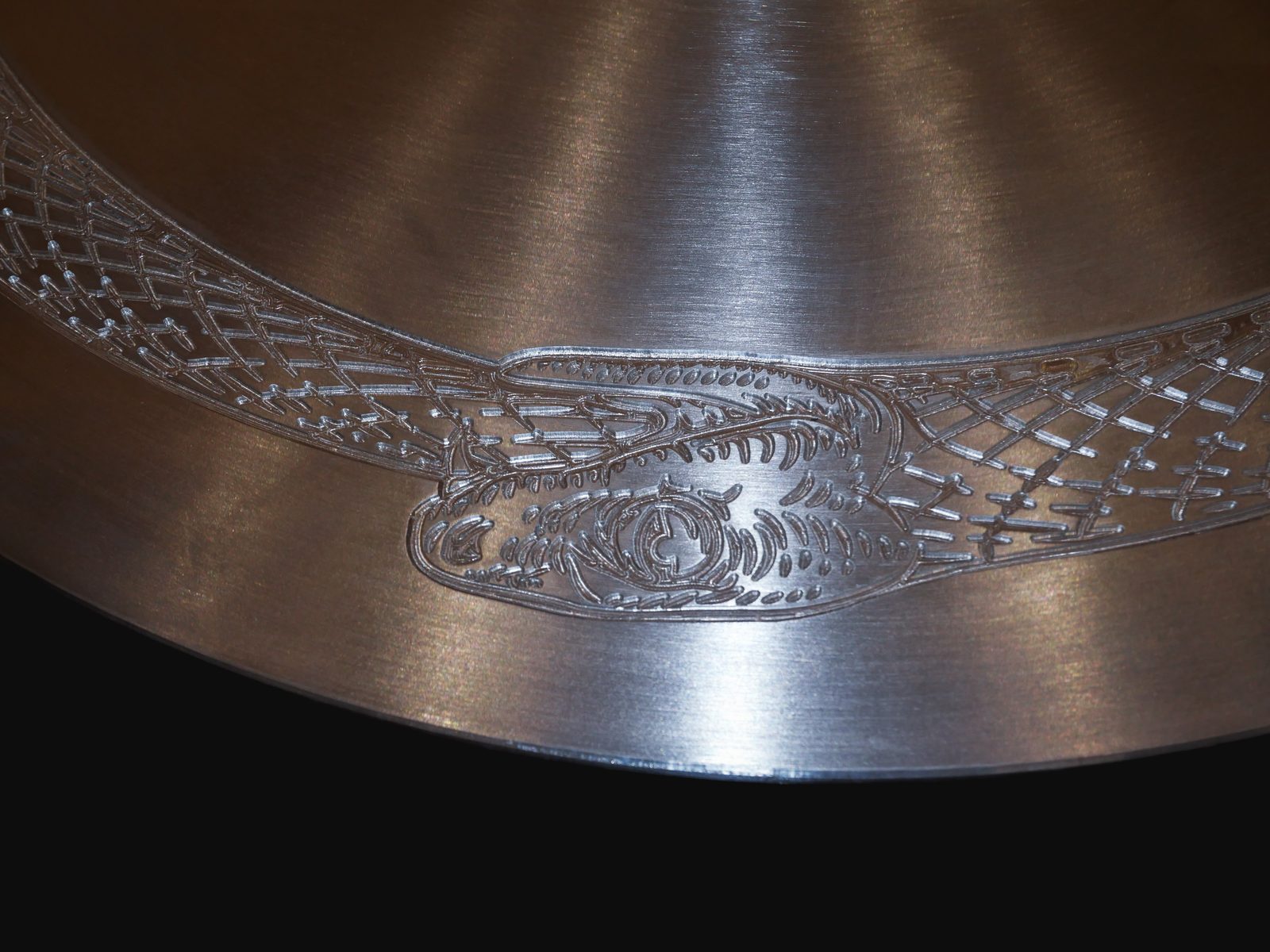
Beside the simulation, a coffee table with an embossed ouroboros evokes humanity's cycle of creation and consumption, a quiet symbol of endurance and self-devouring continuity. Eternal Gain, Eternal Pain questions whether our drive to create — in biology or in code — arises from empathy or compulsion, and whether the refusal to create might be the final act of compassion.
Project Installation consultation
toeeyt
3d mockup
msyves
Project consultation
Roman Solodkov
Installation
Wutthiphong Chaiwong
Nuttawut Kaiwansin
Nuttapon Sawasdee
Special Thanks
Thanapat Ogaslert
nanut.t
Johannes Hossfeld
Kullaya Wapinanon
gracenaholic
Nawin Nuthong